
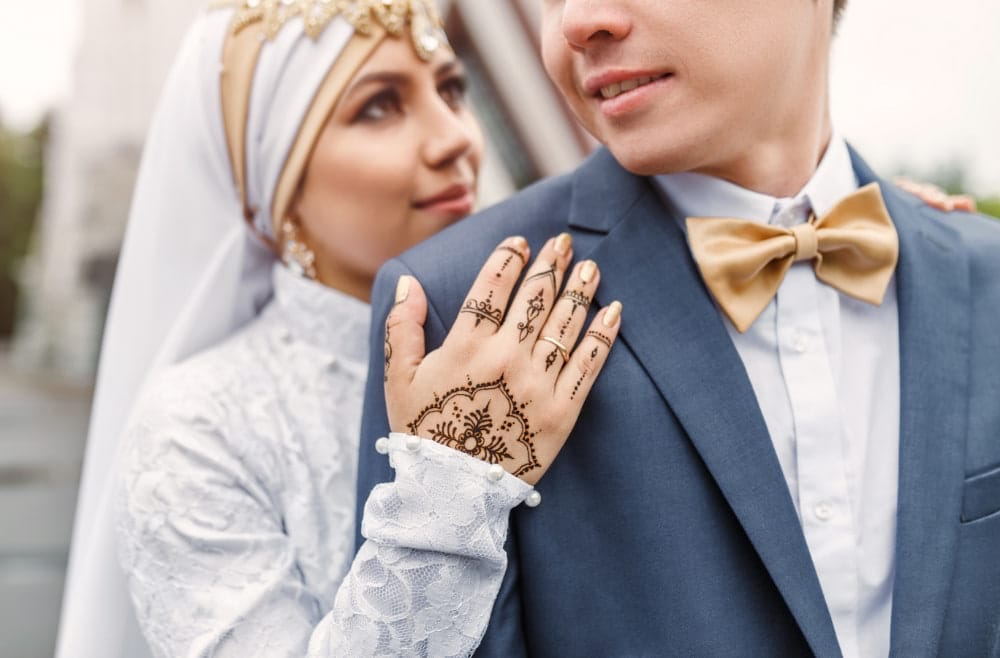
Muslim marriage in Thailand exists within a distinctive legal framework that blends Islamic family law with Thailand’s civil legal system. While the Thai Civil and Commercial Code (CCC) governs marriage for most of the population, Thailand formally recognizes the application of Islamic law for Muslim family matters in specific regions. This dual system allows Muslim couples to marry in accordance with their religious principles while still receiving legal recognition from the Thai state—provided that procedural and registration requirements are properly followed.
This article examines Muslim marriage in Thailand in detail, focusing on its legal foundation, formation requirements, registration process, marital rights and obligations, divorce, property implications, inheritance, and common legal issues.
1. Legal foundation of Muslim marriage in Thailand
The primary legislation governing Muslim marriage is the Act on the Application of Islamic Law in the Area of Pattani, Narathiwat, Yala, and Satun B.E. 2489 (1946). This Act authorizes the application of Islamic family and inheritance law to Muslims in these provinces.
Although Islamic law governs the substance of marriage and divorce in these areas, Thai law continues to regulate administrative matters such as registration, documentation, and court enforcement.
2. Interaction with the Thai Civil and Commercial Code
The Civil and Commercial Code remains Thailand’s general family law statute. For Muslims within the scope of the Islamic law Act:
- Islamic law governs marriage formation, divorce, custody, and inheritance
- Thai civil law governs procedural matters and legal enforcement
This interaction ensures that Muslim marriages are not isolated from the national legal system while preserving religious autonomy.
3. Concept of marriage under Islamic law
Under Islamic law, marriage (nikah) is a civil contract rather than a sacrament. It establishes lawful relations between spouses and defines rights and duties concerning:
- Cohabitation
- Financial maintenance
- Children
- Inheritance
In Thailand, a Muslim marriage must satisfy Islamic legal requirements first before it can be legally recognized by the state.
4. Essential requirements for a valid Muslim marriage
For a Muslim marriage to be valid, several core elements must be present:
- Mutual consent of the bride and groom
- Presence of a wali (guardian) for the bride where required
- At least two witnesses
- Agreement on mahr (dowry)
Failure to meet any of these elements may invalidate the marriage under Islamic law, regardless of later registration.
5. Role of Islamic authorities
In provinces where Islamic law applies, Muslim marriage matters are supervised by:
- Provincial Islamic Committees
- Authorized religious officials
These bodies verify compliance with Islamic requirements, issue certifications, and coordinate with civil registrars. Their involvement provides religious legitimacy and legal clarity.
6. Marriage registration and state recognition
While Islamic law governs the validity of marriage, registration is essential for legal recognition under Thai law. Registration:
- Confirms marital status
- Enables enforcement of spousal rights
- Protects children’s legal status
- Facilitates inheritance and property claims
A marriage that is valid religiously but unregistered may face serious legal limitations.
7. Muslim marriage outside designated provinces
Outside Pattani, Narathiwat, Yala, and Satun, Islamic law does not automatically apply. Muslim couples commonly:
- Conduct a religious marriage ceremony
- Register the marriage under the Civil and Commercial Code
Dual compliance ensures both religious observance and nationwide legal recognition.
8. Differences between Muslim and civil marriage
Key distinctions include:
- Source of law: Islamic jurisprudence versus statutory civil law
- Property regime: Separate ownership versus marital property (sin somros)
- Divorce procedures: Religious mechanisms versus court-based divorce
Despite these differences, both forms of marriage can create legally binding family relationships when properly registered.
9. Polygamy under Muslim marriage
Islamic law permits a Muslim man to marry up to four wives, subject to strict conditions of fairness and financial capability. Thai law recognizes polygamous Muslim marriages only when they:
- Comply with Islamic law
- Fall within the scope of the Islamic law Act
Polygamous marriages conducted outside this framework may face registration and enforcement difficulties.
10. Marital property under Islamic law
Islamic law generally treats property as separate ownership. Each spouse retains ownership of assets acquired before or during marriage unless otherwise agreed.
This differs fundamentally from Thai civil law, where marital property is presumed to be jointly owned. The distinction has major consequences during divorce and inheritance proceedings.
11. Divorce under Muslim law
Islamic law recognizes multiple forms of divorce, including:
- Talaq (repudiation by the husband)
- Khula (divorce initiated by the wife with compensation)
- Judicial divorce based on recognized grounds
Divorce must be certified by Islamic authorities and registered with civil authorities to be legally effective.
12. Legal consequences of divorce
Upon divorce:
- Marital rights and obligations terminate
- Property ownership is determined based on Islamic principles
- Custody and support issues may arise
Failure to register divorce can create serious legal complications, including restrictions on remarriage.
13. Child custody and parental authority
Custody under Islamic law considers:
- The child’s welfare
- Parental fitness
- Age and care needs
Thai courts may become involved when disputes arise or enforcement is required, particularly where the child’s best interests are concerned.
14. Legitimacy of children
Children born from a valid Muslim marriage are legally legitimate. This status:
- Confers inheritance rights
- Establishes parental authority
- Ensures entitlement to support
Birth registration remains a critical administrative requirement.
15. Inheritance under Muslim marriage
Inheritance for Muslims is governed by Islamic inheritance rules (faraid), which allocate fixed shares to heirs. These rules differ significantly from Thai civil inheritance law and require accurate documentation of family relationships.
16. Muslim marriage involving foreign nationals
When one spouse is a foreign Muslim:
- Proof of legal capacity under foreign law may be required
- Documents often require translation and legalization
- Immigration and registration rules must be observed
Cross-border marriages require careful coordination to ensure recognition in Thailand and abroad.
17. Common legal issues and disputes
Frequent problems include:
- Failure to register marriage or divorce
- Disputes over property ownership
- Inheritance conflicts
- Recognition of polygamous marriages
Most disputes arise from documentation gaps rather than substantive religious issues.
18. Role of Thai courts
Thai courts respect Islamic law where legally applicable but retain authority over:
- Procedural enforcement
- Interpretation of statutory requirements
- Protection of children’s welfare
Courts may consult Islamic authorities when adjudicating family disputes.
19. Importance of legal awareness
Muslim couples can reduce future disputes by:
- Registering marriages and divorces promptly
- Understanding property and inheritance rules
- Seeking guidance in cross-border or polygamous situations
Legal awareness ensures that religious rights are fully protected under Thai law.
Conclusion
Muslim marriage in Thailand reflects a carefully balanced legal system that integrates Islamic family law within a national civil framework. While Islamic law governs the substance of marriage, proper registration and compliance with Thai administrative requirements are essential for legal recognition and enforceability.
By understanding the legal structure, procedural obligations, and consequences of Muslim marriage, couples can ensure that their marriage is respected both religiously and legally, safeguarding their rights and the welfare of their families.